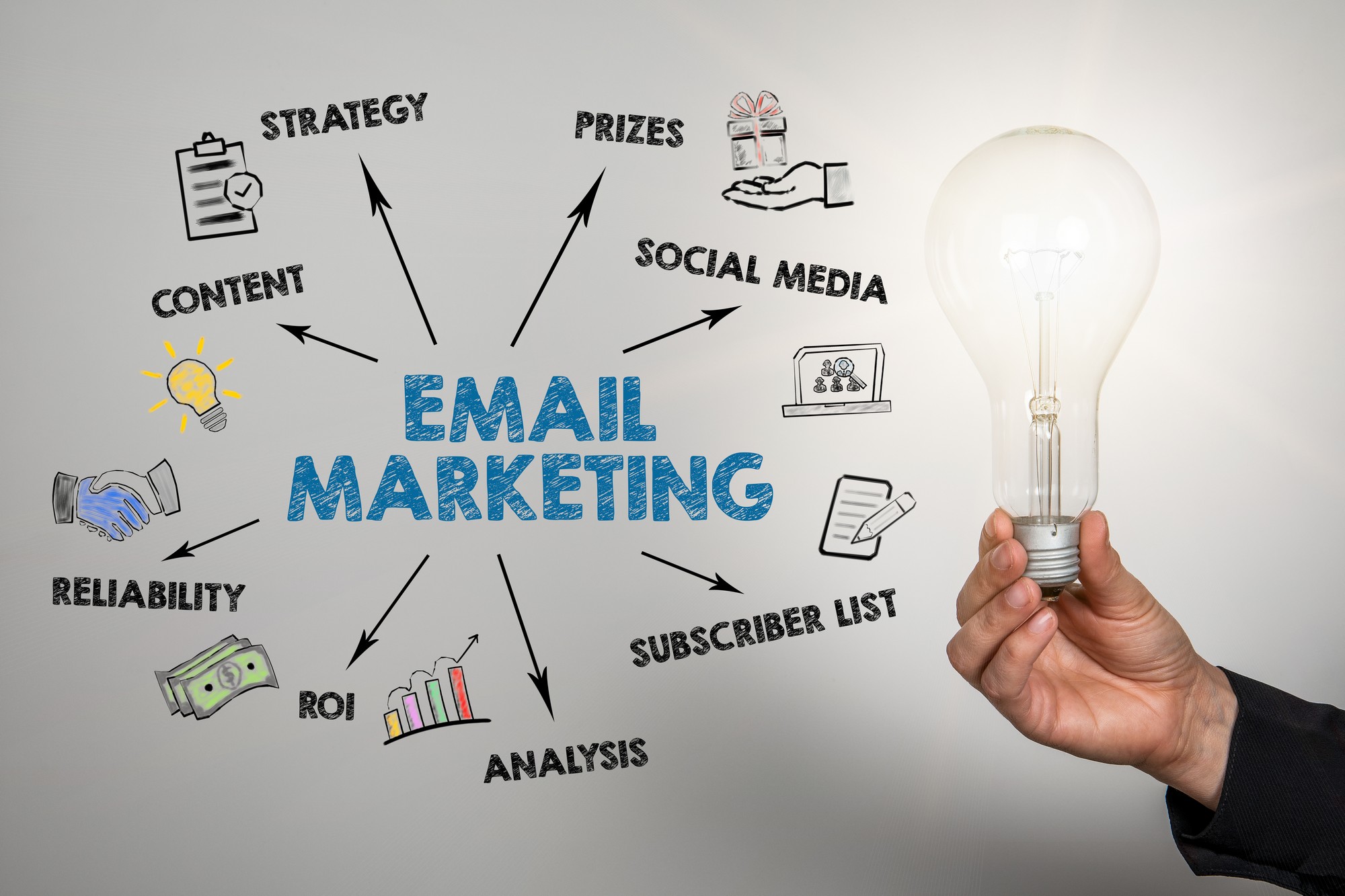
Email Marketing
Email marketing is a digital marketing strategy that involves sending commercial messages to a group of people via email. Here's a breakdown of key aspects of email marketing:
Building an Email List The foundation of email marketing is building a list of subscribers who have opted in to receive emails from your business. This can be done through website sign-up forms, lead magnets (e.g., free ebooks, webinars), social media, and offline events.
Segmentation Segmenting your email list into smaller groups based on characteristics like demographics, interests, purchase history, or engagement level allows you to send more targeted and relevant messages to each segment, increasing the effectiveness of your campaigns.
Email Content Creation Creating engaging and valuable content is essential for the success of email marketing campaigns. Content can include promotional offers, product announcements, educational content, newsletters, customer stories, and more.
Personalization Personalizing email content based on subscriber data (e.g., name, past purchases, preferences) can significantly improve engagement and conversion rates. Personalized subject lines, greetings, and content recommendations make subscribers feel valued and increase the likelihood of them taking action.
Email Design Designing visually appealing and mobile-responsive email templates ensures that your emails look professional and are accessible across different devices and email clients. Design elements include layout, colors, fonts, images, and calls-to-action (CTAs).
Email Automation Email automation allows you to send targeted and timely messages to subscribers based on predefined triggers or actions, such as welcome emails, abandoned cart reminders, birthday offers, or re-engagement campaigns. Automation streamlines the process and helps nurture leads through the sales funnel.
A/B Testing A/B testing, also known as split testing, involves testing different elements of your emails (e.g., subject lines, content, CTAs, send times) to determine which versions perform better and optimize your campaigns for higher open and click-through rates.
Compliance and Regulations Adhering to email marketing regulations such as the CAN-SPAM Act (in the United States) and GDPR (in the European Union) is essential to ensure that your email marketing practices are legal and ethical. This includes obtaining consent from subscribers, providing opt-out options, and including your business's physical address in emails.
Analytics and Measurement Tracking key metrics such as open rates, click-through rates, conversion rates, and unsubscribe rates provides insights into the performance of your email campaigns. Analyzing data allows you to identify areas for improvement and optimize future campaigns for better results.
Email Deliverability Ensuring that your emails reach subscribers' inboxes and avoid being marked as spam is critical for the success of your email marketing efforts. Practices that improve deliverability include using a reputable email service provider (ESP), maintaining a clean email list, avoiding spammy content, and following best practices for email authentication (e.g., SPF, DKIM, DMARC).